North Carolina Bear Hunting Guides: A Comprehensive Overview (2025-2026)
Planning a 2025 North Carolina black bear hunt requires understanding specific regulations and timing‚ as dates and zones vary statewide․
The NCWRC regulates seasons‚ licenses‚ and sanctuaries‚ ensuring sustainable bear populations for hunters across the state․
North Carolina offers a rich tradition of black bear hunting‚ attracting both resident and non-resident hunters annually․ The state boasts a healthy and thriving black bear population‚ distributed across diverse habitats ranging from coastal swamps to mountainous forests․ Successful bear hunting in North Carolina hinges on a thorough understanding of the regulations set forth by the North Carolina Wildlife Resources Commission (NCWRC)․
These regulations‚ updated annually‚ dictate season dates‚ zone-specific rules‚ licensing requirements‚ and legal hunting methods․ Hunters must familiarize themselves with these details before venturing into the field․ The 2025-2026 season promises varied opportunities‚ with zones opening at different times and offering unique challenges․ Careful planning‚ adherence to ethical hunting practices‚ and respect for wildlife are paramount for a safe and rewarding experience․
This guide provides a comprehensive overview of bear hunting in North Carolina‚ aiming to equip hunters with the knowledge needed for a successful and compliant hunt․
Understanding Black Bear Populations in NC
North Carolina’s black bear population is robust and geographically diverse‚ inhabiting a wide range of ecosystems throughout the state; These adaptable animals thrive in the coastal plains‚ piedmont‚ and mountains‚ leading to regional variations in bear size‚ density‚ and behavior․ Understanding these differences is crucial for effective hunting strategies․
The NCWRC actively monitors bear populations through harvest data‚ tracking‚ and habitat assessments․ This data informs management decisions aimed at maintaining healthy bear numbers and ensuring sustainable hunting opportunities․ Population estimates vary by zone‚ with some areas supporting higher densities than others․
Factors like food availability‚ habitat quality‚ and human-bear interactions influence population dynamics․ Hunters should be aware of local bear activity and respect their natural environment‚ contributing to responsible wildlife management․
The Role of the North Carolina Wildlife Resources Commission (NCWRC)
The North Carolina Wildlife Resources Commission (NCWRC) is the primary regulatory body overseeing all aspects of bear hunting within the state․ Their responsibilities encompass establishing hunting season dates‚ defining hunting zones‚ and setting bag limits to ensure sustainable harvest levels․
The NCWRC also manages licensing requirements‚ ensuring hunters are properly authorized and contribute to conservation efforts․ They publish the annual Inland Fishing‚ Hunting & Trapping Regulations Digest‚ a vital resource for all hunters‚ detailing all rules and regulations․
Furthermore‚ the NCWRC monitors bear populations‚ conducts research‚ and enforces hunting laws․ They play a critical role in balancing hunter opportunities with the long-term health and viability of North Carolina’s black bear populations․
2025-2026 Hunting Season Dates & Zones
North Carolina divides bear hunting into zones with varying dates; Zone 2 opens November 8th‚ 2025‚ and Zone 1 & 3 follow later in the season․
Zone 1 Bear Hunting Season Dates
Zone 1 encompasses a significant portion of western North Carolina’s bear habitat‚ offering hunters diverse terrain and opportunities․ The 2025-2026 season for Zone 1 is structured with two distinct hunting periods to manage harvest and population dynamics effectively․ Hunters can participate from November 8th to November 16th‚ 2025‚ providing an early-season chance to pursue bears before the peak of breeding activity․
A second hunting period is scheduled for December 13th through December 28th‚ 2025‚ allowing for continued pursuit as bears prepare for winter dormancy․ It’s crucial for hunters to consult the official NCWRC regulations digest for specific county inclusions within Zone 1‚ as boundaries can sometimes vary․ Always verify the latest updates before heading into the field to ensure compliance with all legal requirements and contribute to responsible wildlife management․
Zone 2 Bear Hunting Season Dates
Zone 2‚ located in the northeastern coastal plain of North Carolina‚ presents a unique hunting experience characterized by swampy forests and agricultural lands․ For the 2025-2026 season‚ hunters in Zone 2 will have two designated hunting periods․ The first runs from November 8th to November 16th‚ 2025‚ offering an early opportunity to harvest a bear amidst the changing foliage․
The second period extends from December 13th to December 28th‚ 2025‚ providing a later-season option as bears increase their foraging activity in preparation for winter․ This zone includes counties like Camden‚ Chowan‚ Currituck‚ Gates‚ Pasquotank‚ and Perquimans․ Hunters must confirm their specific county’s inclusion and any localized regulations within Zone 2 by referencing the official NCWRC hunting digest before commencing their hunt․
Zone 3 Bear Hunting Season Dates
Zone 3‚ encompassing a significant portion of western North Carolina’s mountainous terrain and foothills‚ offers a challenging yet rewarding bear hunting experience․ The 2025-2026 hunting season in Zone 3 mirrors that of Zone 2‚ providing hunters with two distinct hunting periods․ The initial period spans from November 8th to November 16th‚ 2025‚ allowing hunters to capitalize on pre-winter bear activity․
A subsequent period runs from December 13th to December 28th‚ 2025‚ offering a later-season opportunity․ Hunters should consult the NCWRC regulations digest for specific county inclusions within Zone 3 and any potential localized restrictions․ Understanding the terrain and bear behavior in this mountainous region is crucial for a successful and ethical hunt․
Special Permit Hunt Opportunities
The North Carolina Wildlife Resources Commission (NCWRC) offers specialized bear hunting permit hunts‚ providing unique opportunities beyond the general season framework․ These hunts often focus on specific management units or utilize different hunting methods‚ like those allowing the use of dogs – generally restricted during regular seasons․
Applications for these permits are typically drawn through a lottery system‚ requiring hunters to apply well in advance of the season․ Permit hunts can target specific age or sex classes of bears‚ contributing to population management goals․ Detailed information regarding available permits‚ application deadlines‚ and hunt regulations is available on the NCWRC website․ Successful applicants receive specific hunt dates and location details․
Regulations and Legal Requirements
North Carolina bear hunting demands strict adherence to licensing‚ bag limits‚ legal methods‚ and reporting protocols‚ as dictated by the NCWRC regulations․
Compliance ensures ethical hunting and sustainable bear population management throughout the state’s diverse hunting zones․
Licensing Requirements for Bear Hunting
Successfully participating in a North Carolina bear hunt necessitates obtaining the appropriate licenses and permits‚ as mandated by the North Carolina Wildlife Resources Commission (NCWRC)․ Hunters are required to possess a valid North Carolina hunting license‚ and a bear-specific license is also crucial․ This bear license is separate from the general hunting license and is essential for legally harvesting a bear․
Furthermore‚ hunters intending to utilize dogs during permitted bear hunts must secure a dog hunting license․ It’s vital to consult the official NCWRC regulations digest‚ available online at ncwildlife․org‚ for the most current licensing fees and specific requirements․ Failure to comply with these licensing regulations can result in substantial fines and legal penalties‚ impacting your hunting privileges․ Always verify your license status before heading into the field․
Daily and Season Bag Limits
North Carolina’s bear hunting regulations establish strict limits to ensure sustainable bear populations․ The daily bag limit for black bear is consistently set at one bear per hunter‚ meaning only one bear can be harvested each day of the hunting season․ Equally important‚ the possession limit is also one bear‚ preventing hunters from possessing more than one bear at any given time․
Critically‚ the season bag limit is also one bear․ This means a hunter can only harvest a single bear throughout the entire designated bear hunting season‚ regardless of the number of hunting days․ These limits‚ codified under 15A N․C․ Admin․ Code 10B ․0202‚ are enforced to maintain healthy bear numbers and responsible hunting practices․ Hunters must adhere to these limits to avoid penalties․
Legal Hunting Methods
North Carolina regulations dictate permissible methods for legally harvesting black bears during designated hunting seasons․ While firearm hunting is a common practice‚ specific firearm restrictions may apply based on local ordinances‚ so hunters must verify regulations for their hunting location․ The use of bows and arrows is also generally permitted‚ adhering to established archery regulations․
However‚ the use of dogs is heavily regulated․ Dogs may not be used to pursue bears except during specifically designated permit hunts that explicitly allow hunting bear with dogs․ It is unlawful to take feral swine on designated bear management areas while utilizing dogs․ Hunters must be aware of these restrictions to ensure compliance and avoid legal repercussions․ Always consult the official NCWRC regulations digest for the most current and comprehensive details․
Restrictions on the Use of Dogs
North Carolina imposes significant restrictions on utilizing dogs during bear hunts‚ prioritizing bear safety and responsible hunting practices․ Generally‚ it is unlawful to employ dogs for pursuing black bears‚ except under very specific circumstances․ The primary exception lies within designated permit hunts where the NCWRC explicitly authorizes hunting bears with the aid of dogs․
Crucially‚ it is illegal to take feral swine on areas specifically designated for bear management while simultaneously using dogs․ This regulation aims to prevent unintended consequences and protect bear populations․ Hunters must meticulously review permit conditions and understand the boundaries of designated areas․ Violations can result in substantial fines and the forfeiture of hunting privileges․ Always prioritize adherence to the NCWRC’s detailed regulations regarding canine use․
Reporting Harvested Bears – Tooth Submission
North Carolina mandates that all hunters who successfully harvest a black bear are legally required to report their take and submit a premolar tooth to the NCWRC․ This crucial data collection process is vital for ongoing bear population monitoring and management efforts throughout the state․ The tooth submission allows biologists to accurately assess bear age‚ sex‚ and growth rates‚ informing future hunting regulations․
Hunters must submit the premolar tooth by January 31st following the harvest․ Failure to comply with this reporting requirement can result in penalties․ Detailed instructions on proper tooth extraction and submission procedures are available on the ncwildlife․org website․ Accurate reporting ensures the long-term health and sustainability of North Carolina’s black bear populations․
Gear and Equipment for North Carolina Bear Hunts
Successful North Carolina bear hunts demand appropriate firearms‚ durable clothing‚ tracking tools‚ and essential safety gear for navigating diverse terrains․
Prioritize reliable equipment and first-aid supplies to ensure a safe and productive hunting experience in the North Carolina wilderness․
Firearm and Ammunition Recommendations
Selecting the right firearm for a North Carolina bear hunt is crucial‚ considering the animal’s size and potential shot distances․ Rifles chambered in ․30-06‚ ․308 Winchester‚ or larger calibers are commonly recommended‚ offering sufficient stopping power․ Shotguns‚ particularly 12-gauge‚ can also be effective with slugs‚ but require precise shot placement․
Ammunition choice is equally important․ Heavy-for-caliber bullets‚ such as those weighing 180 grains or more for ․30-06‚ are preferred for reliable penetration and expansion․ Controlled expansion bullets minimize the risk of complete pass-through‚ maximizing energy transfer․ Hunters should practice extensively with their chosen firearm and ammunition to ensure proficiency and accuracy before the hunt․ Always adhere to all state regulations regarding legal hunting calibers and projectile types․
Remember to check ncwildlife․org for specific legal requirements․
Essential Hunting Clothing and Accessories
North Carolina’s bear hunting seasons span varying weather conditions‚ demanding adaptable clothing․ Layering is key – start with moisture-wicking base layers‚ add insulating mid-layers like fleece‚ and finish with a waterproof and windproof outer shell․ Camouflage patterns appropriate for the Eastern forests are essential for concealment․
Essential accessories include sturdy‚ waterproof hunting boots‚ gloves‚ and a warm hat․ Orange safety vests or clothing are often required by law‚ ensuring visibility․ Don’t forget quality binoculars for scouting and identifying bears‚ a rangefinder for accurate shot distance estimation‚ and a comfortable hunting pack to carry essentials like water‚ snacks‚ and a first-aid kit․ A headlamp is invaluable for navigating in low-light conditions․
Always prioritize comfort and functionality during your hunt․
Tracking and Recovery Equipment
Successful bear tracking in North Carolina demands reliable equipment․ A high-quality GPS unit is crucial for marking the point of impact and navigating through dense forests․ Bring a compass and topographic maps as a backup‚ especially in areas with limited cell service․ Durable flagging tape helps mark a blood trail‚ aiding in tracking wounded bears․
Essential recovery tools include a sharp knife for game processing‚ heavy-duty game bags to protect the meat‚ and rope for dragging the bear․ Consider a winch or come-along for larger bears‚ simplifying the extraction process․ A two-way radio facilitates communication with hunting partners․ Remember‚ reporting harvested bears and submitting a tooth is legally required․
Prioritize efficient and respectful recovery of your harvest․
Safety Gear and First Aid
Bear hunting in North Carolina necessitates prioritizing safety․ Always carry a well-stocked first-aid kit‚ including supplies for treating cuts‚ sprains‚ and potential animal bites․ A signaling device‚ like a whistle or signal mirror‚ is vital for emergencies in remote areas․ Wear blaze orange clothing to enhance visibility for other hunters․
Bear encounters are possible; carry bear spray and know how to use it․ A fully charged cell phone (though coverage can be spotty) and a portable power bank are recommended․ Inform someone of your hunting location and expected return time․ Understanding bear behavior is crucial for preventing dangerous situations․
Preparedness minimizes risks and ensures a safe hunting experience․
Finding a Reputable Hunting Guide
Hiring a guide offers benefits like expert knowledge of bear locations and regulations‚ increasing hunting success․ Careful selection is key for a safe‚ ethical hunt․
Benefits of Hiring a Bear Hunting Guide
Employing a skilled bear hunting guide in North Carolina unlocks numerous advantages for hunters of all experience levels․ Guides possess intimate knowledge of local bear populations‚ their movements‚ and preferred habitats within specific zones․ This expertise dramatically increases your chances of a successful hunt‚ saving valuable time and effort․
Furthermore‚ reputable guides are thoroughly versed in the complex regulations governing bear hunting in the state‚ ensuring full compliance with NCWRC rules regarding licensing‚ bag limits‚ legal methods‚ and reporting requirements․ They handle logistical details‚ including access to hunting lands‚ transportation‚ and potentially‚ field dressing and meat care․
A guide also prioritizes safety‚ providing essential bear encounter protocols and first aid knowledge․ Ultimately‚ a guide enhances the overall hunting experience‚ offering a more productive‚ safe‚ and ethically sound pursuit of North Carolina’s black bear․
Criteria for Selecting a Guide Service
Choosing the right bear hunting guide service in North Carolina demands careful consideration․ Prioritize guides fully licensed and insured‚ demonstrating a commitment to legal and ethical hunting practices․ Investigate their experience specifically with bear hunts within your desired hunting zone – Zone 1‚ 2‚ or 3 – as local knowledge is crucial․
Seek out services with a proven track record of success‚ evidenced by testimonials or references from previous clients․ Inquire about their approach to hunting – baiting strategies‚ still hunting‚ or tracking – and ensure it aligns with your preferences․
A reputable guide will openly discuss all costs upfront‚ including licensing fees‚ lodging‚ and any additional expenses․ Finally‚ assess their communication and responsiveness; a good guide will promptly answer your questions and provide detailed information about the hunt․
Questions to Ask Potential Guides
Before committing to a North Carolina bear hunting guide‚ thorough questioning is essential․ Begin by asking about their success rates for bear hunts in the specific zone you’re interested in․ Inquire about the guide’s experience – how many years have they been guiding bear hunts‚ and what is their familiarity with local bear behavior?
Clarify their policies regarding harvested bears‚ specifically the tooth submission requirement to the NCWRC by January 31st․ Understand their stance on ethical hunting practices and adherence to all North Carolina hunting regulations․
Don’t hesitate to ask about included amenities‚ such as lodging‚ meals‚ and transportation․ Finally‚ confirm their cancellation policy and what happens in the event of inclement weather or unsuccessful hunts․
Guide Service Areas by Zone
North Carolina’s bear hunting zones dictate where guide services primarily operate․ Zone 1 guides often focus on the western counties‚ offering hunts in mountainous terrain․ Zone 2 services concentrate on the northeastern coastal plains – Camden‚ Chowan‚ Currituck‚ and surrounding areas – with hunts potentially involving swamp and forested habitats․
Zone 3 guides typically cover the central and southeastern regions‚ providing opportunities in diverse landscapes․ Many guides specialize in specific zones due to their intimate knowledge of local bear populations and hunting conditions;
When selecting a guide‚ verify their primary operating zone aligns with your preferred hunting location and the 2025-2026 season dates for that zone․
Bear Hunting Techniques in North Carolina
Successful North Carolina bear hunts employ diverse techniques‚ including regulated baiting‚ strategic still hunting‚ careful spot and stalk methods‚ and skilled tracking of bears;
Baiting Regulations and Strategies
Baiting for bear in North Carolina is a permitted tactic‚ but strictly governed by the NCWRC regulations․ Hunters must adhere to specific guidelines regarding bait type‚ placement‚ and distance from dwellings․ Generally‚ acceptable baits include natural foods like corn‚ fruits‚ and agricultural products‚ but restrictions apply to potentially harmful substances․
Bait sites require diligent monitoring and maintenance‚ ensuring consistent attraction without creating unsanitary conditions․ Hunters should strategically position bait to capitalize on natural bear travel corridors and feeding patterns․ Effective baiting involves understanding bear behavior and adapting strategies based on local conditions․ Remember to always consult the current North Carolina Inland Fishing‚ Hunting & Trapping Regulations Digest for the most up-to-date rules․
Proper bait site management is crucial for ethical and legal hunting practices․
Still Hunting Techniques
Still hunting for bear in North Carolina demands patience‚ observation‚ and a deep understanding of bear travel patterns․ This method involves selecting a strategic location – often near thick cover‚ food sources‚ or established trails – and remaining motionless for extended periods․ Success hinges on blending into the environment‚ minimizing scent‚ and carefully scanning for movement or signs of bear activity․
Effective still hunting requires meticulous pre-hunt scouting to identify promising locations and understand prevailing wind directions․ Hunters should prioritize safety by ensuring a clear shooting lane and being aware of their surroundings․ Remaining scent-free is paramount‚ utilizing scent control clothing and considering wind direction․ A keen eye for subtle clues – tracks‚ scat‚ rubs – can significantly increase your chances of a successful hunt․
Patience and persistence are key to mastering this classic technique․
Spot and Stalk Hunting
Spot and stalk bear hunting in North Carolina presents a dynamic and challenging pursuit‚ requiring excellent woodsmanship and physical fitness․ This technique involves locating bears from a vantage point – a high ground or open area – and then carefully stalking within range for a shot․ Success relies on keen observation skills‚ the ability to read the terrain‚ and a stealthy approach․
Glassing open fields‚ edges of forests‚ and along ridgelines during dawn and dusk are prime times for spotting bears․ Once a bear is located‚ hunters must assess wind direction and plan a stalk that minimizes the risk of detection․ Moving slowly and deliberately‚ utilizing natural cover‚ is crucial․ Patience is essential‚ as stalks can take considerable time and effort․
A successful stalk demands adaptability and a willingness to adjust your plan as needed․
Tracking and Trailing Bears
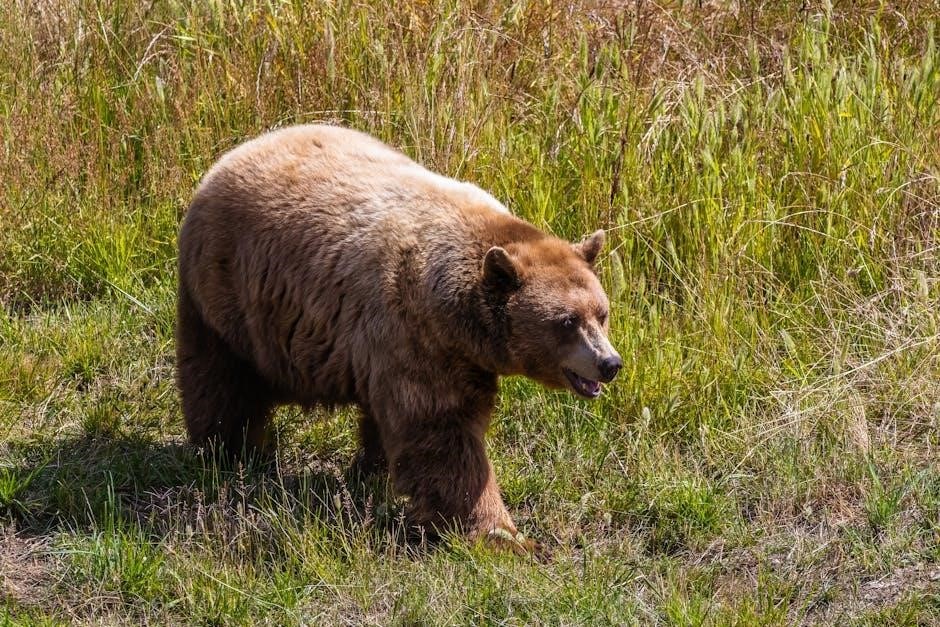
Tracking and trailing black bears in North Carolina demands a sharp eye for detail and a solid understanding of bear sign․ Hunters must learn to identify tracks‚ scat‚ rubs on trees‚ and claw marks‚ indicating recent bear activity․ Fresh tracks‚ particularly in soft ground‚ are the most promising sign to follow․
Carefully observe track patterns – direction‚ size‚ and gait – to determine the bear’s movement and estimate its size․ Following a trail requires patience and methodical observation‚ constantly scanning the surrounding area for further sign․ Be aware that bears often travel along natural corridors like ridges‚ creek bottoms‚ and thickets․
Understanding bear behavior is key; they may change direction unexpectedly․
Bear Safety and Ethical Hunting Practices
Prioritize safety during encounters‚ proper field dressing‚ and ethical considerations when bear hunting in North Carolina․ Understanding bear behavior is crucial․
Bear Encounter Safety Protocols
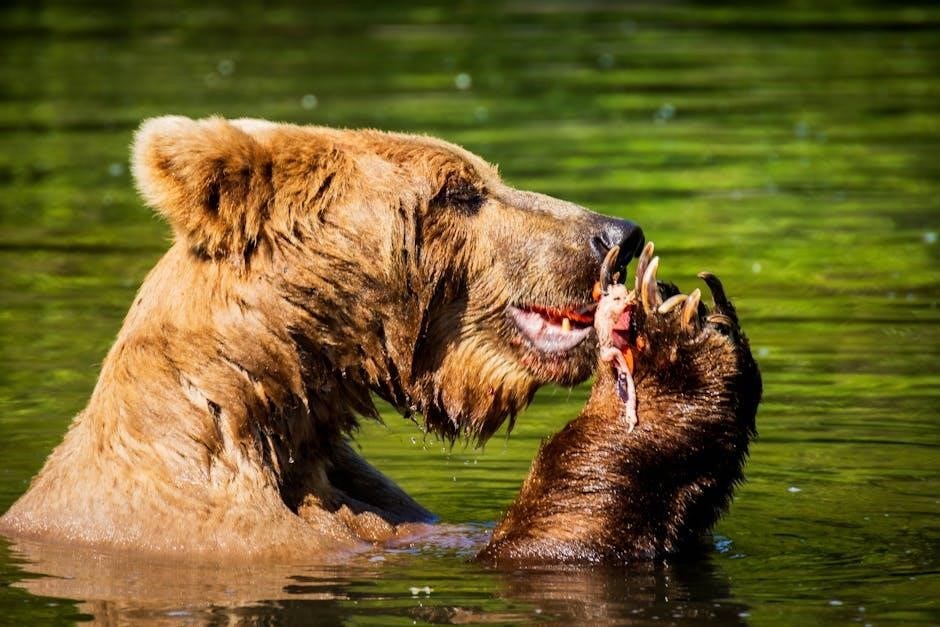
Encountering a bear while hunting demands calm and informed action․ Carry bear spray and know how to use it effectively; it’s a vital deterrent․ If a bear stands its ground‚ make yourself appear large‚ and speak in a firm‚ assertive voice․
Slowly back away‚ avoiding direct eye contact‚ which a bear might perceive as a threat․ Never run‚ as this can trigger a chase response․ If attacked‚ fight back aggressively‚ focusing on the face and muzzle․
Report all bear encounters to the NCWRC‚ providing details about the location and bear’s behavior․ Awareness and preparedness are key to minimizing risks and ensuring a safe hunting experience in North Carolina’s bear country․
Proper Field Dressing and Meat Care
Prompt field dressing is crucial for preserving bear meat quality․ Immediately after harvest‚ carefully remove the internal organs‚ ensuring no contamination occurs․ Cool the carcass as quickly as possible‚ ideally by hanging it in a shaded‚ well-ventilated area․
Avoid allowing the meat to come into contact with the skin‚ as this can impart a gamey flavor․ Thoroughly wash the body cavity with clean‚ potable water․ Transport the carcass to a processing facility or begin butchering promptly‚ keeping the meat consistently chilled․
Proper handling minimizes spoilage and ensures a delicious‚ safe final product․ Remember tooth submission is required by January 31st․
Ethical Considerations for Bear Hunting
Responsible bear hunting prioritizes fair chase and respect for the animal․ Hunters should strive for a quick‚ clean kill‚ minimizing suffering․ Thoroughly understand bear behavior to anticipate reactions and ensure a safe‚ ethical shot opportunity․
Avoid taking unnecessary risks that could wound the animal․ Practice beforehand to ensure proficiency with your chosen firearm and maintain situational awareness throughout the hunt․ Respect private property and adhere to all hunting regulations established by the NCWRC․
Ethical hunters also demonstrate respect for the resource‚ supporting conservation efforts and promoting sustainable hunting practices for future generations․
Understanding Bear Behavior
Black bears exhibit diverse behaviors influenced by food availability‚ breeding cycles‚ and environmental factors․ They are opportunistic omnivores‚ often foraging for nuts‚ berries‚ and insects‚ but also attracted to human-related food sources․
Understanding their movement patterns is crucial for successful hunting․ Bears establish home ranges‚ utilizing travel corridors and bedding areas․ Recognizing sign – tracks‚ scat‚ rubs – indicates bear presence and activity․
Bears can be unpredictable‚ especially when surprised or protecting cubs․ Awareness of their defensive behaviors‚ like bluff charging‚ is vital for hunter safety․ Knowledge of these patterns enhances both hunting success and responsible wildlife interaction․