Animal Kingdom: A Comprehensive Study Guide
Delve into the fascinating world of Animalia, exploring diverse life forms from simple sponges to complex mammals. This guide offers insights into animal characteristics,
classification, behavior, and conservation efforts, alongside modern technologies aiding animal detection and mapping.
Defining the Animal Kingdom
The Animal Kingdom, scientifically known as Animalia, encompasses an extraordinarily diverse group of multicellular, eukaryotic organisms. Unlike plants and fungi, animals are fundamentally heterotrophic – meaning they obtain nutrition by consuming other organisms. This defining characteristic sets them apart and drives much of their behavioral complexity.
Animals exhibit remarkable variation in form and function, ranging from the simplicity of sponges to the intricate systems of mammals. A key feature uniting all animals is their cellular organization; they lack cell walls, a trait distinguishing them from plants. Furthermore, most animals reproduce sexually, though asexual reproduction occurs in some species.
The study of animals, known as zoology, seeks to understand their evolution, behavior, physiology, and interactions with their environment. This kingdom is constantly being explored, with new species identified regularly, while sadly, others face the threat of extinction. Understanding the animal kingdom is crucial for conservation and maintaining biodiversity.
Characteristics of Animals
Animals universally share several defining characteristics. Primarily, they are multicellular organisms, meaning their bodies are composed of numerous cells working in coordination. These cells are eukaryotic, possessing a nucleus and other complex organelles – a key distinction from prokaryotic organisms like bacteria.
A fundamental trait is heterotrophic nutrition; animals acquire nutrients by consuming organic matter, either by predation, scavenging, or absorption. Most exhibit motility, capable of movement at some stage in their life cycle, enabling them to seek food, shelter, and mates. Animals also demonstrate responsiveness to stimuli, reacting to changes in their environment.
Growth is typically determinate, meaning they reach a defined size, unlike plants which often exhibit indeterminate growth. Reproduction is largely sexual, promoting genetic diversity, though asexual methods exist. These characteristics, combined with complex tissue organization, define the animal kingdom and its incredible diversity.
Multicellular Organization
Animal bodies exhibit a remarkable level of multicellular organization, far exceeding simpler life forms. Unlike single-celled organisms, animals possess cells specialized for specific functions, forming distinct tissues like epithelial, connective, muscle, and nervous tissue. These tissues, in turn, collaborate to create organs – structures with dedicated roles, such as the heart or brain.
Organs are further organized into organ systems, like the digestive or circulatory system, working in harmony to maintain life. This hierarchical structure – cells to tissues to organs to systems – allows for increased complexity and efficiency. Cell communication is crucial; cells signal each other to coordinate activities and respond to environmental changes.
This intricate organization enables animals to perform complex tasks, adapt to diverse environments, and achieve greater size and longevity. The development of multicellularity was a pivotal moment in evolutionary history, paving the way for the incredible diversity of animal life we observe today.
Eukaryotic Cell Structure
Animal cells, as members of the kingdom Animalia, are fundamentally eukaryotic. This means their cellular material is organized within membrane-bound organelles, a defining characteristic distinguishing them from prokaryotic cells. The nucleus, housing the cell’s DNA, is the central control center. Mitochondria, often called the “powerhouses” of the cell, generate energy through cellular respiration.
Other vital organelles include the endoplasmic reticulum (ER) for protein and lipid synthesis, the Golgi apparatus for processing and packaging molecules, and lysosomes for waste breakdown; Ribosomes are responsible for protein production, while the cell membrane regulates substance passage. Cytoskeletal elements provide structural support and facilitate movement.
This complex internal architecture allows for specialized functions and efficient cellular processes. The coordinated activity of these organelles is essential for animal cell survival, growth, and reproduction, underpinning the complexity of multicellular organisms.
Heterotrophic Nutrition
Animals are heterotrophic organisms, meaning they obtain nutrition by consuming other organic matter. Unlike plants, which are autotrophs and produce their own food through photosynthesis, animals must ingest and digest pre-formed organic molecules. This dietary intake fuels their metabolic processes and provides the building blocks for growth and repair.
Nutritional strategies vary widely across the animal kingdom. Some animals are herbivores, feeding exclusively on plants; others are carnivores, preying on other animals. Omnivores consume both plant and animal matter, exhibiting a more flexible diet. Detritivores feed on dead organic material, playing a crucial role in nutrient cycling.
Digestion involves breaking down complex food molecules into simpler absorbable units. This process can occur intracellularly or within a specialized digestive system, depending on the animal’s complexity. Efficient nutrient absorption is vital for sustaining life functions.
Animal Classification: An Overview
The animal kingdom boasts incredible diversity, necessitating a systematic classification system. Historically, animals were categorized based on observable physical characteristics. However, modern classification relies heavily on evolutionary relationships, determined through genetic analysis and shared ancestry.
The hierarchical system begins with the kingdom Animalia, branching into phyla – major groups sharing a basic body plan. Examples include Chordata (animals with a notochord), Arthropoda (animals with exoskeletons), and Mollusca (soft-bodied animals). Each phylum is further divided into classes, orders, families, genera, and finally, species.
This classification isn’t static; ongoing research continually refines our understanding of animal relationships. Understanding this system provides a framework for studying the evolution, adaptation, and interconnectedness of all animal life.
Major Animal Groups
Explore the broad divisions of the animal kingdom: invertebrates lacking backbones, and vertebrates possessing them. Discover the unique characteristics defining each group’s evolutionary path.
Invertebrates: Animals Without Backbones
Invertebrates represent the vast majority of animal species, showcasing incredible diversity in form and function. This group, lacking the internal skeletal support of a backbone, includes a remarkable array of creatures. From the simple structural organization of Sponges (Porifera) – aquatic animals filtering nutrients – to the radially symmetrical Jellyfish (Cnidaria) with their stinging cells, invertebrates demonstrate varied adaptations.
Worms (Platyhelminthes & Nematoda) exhibit diverse lifestyles, some parasitic, others free-living. Mollusks (Gastropoda, Bivalvia, Cephalopoda) – snails, clams, and squid – display significant anatomical differences. Finally, Arthropods (Insects, Arachnids, Crustaceans), characterized by exoskeletons and segmented bodies, dominate terrestrial and aquatic ecosystems, representing the largest animal phylum.
Studying invertebrates provides crucial insights into evolutionary history and ecological roles, highlighting the importance of these often-overlooked organisms.
Sponges (Porifera)
Sponges, belonging to the phylum Porifera, are among the simplest multicellular animals. Primarily marine, they exhibit a porous body structure facilitating water circulation crucial for feeding and gas exchange. Lacking true tissues and organs, sponges rely on specialized cells for these functions. Their skeletal structure is supported by spicules – microscopic, needle-like structures made of calcium carbonate or silica – providing structural integrity.
Sponges are sessile, meaning they remain attached to a substrate, filtering bacteria and other organic matter from the water. Reproduction occurs both sexually and asexually, through budding or fragmentation. They play a vital ecological role by filtering water and providing habitat for other marine organisms.
Their simple organization offers valuable insights into the early evolution of multicellular life, making them a fascinating subject of study.
Jellyfish (Cnidaria)
Jellyfish, members of the phylum Cnidaria, are renowned for their gelatinous bodies and stinging cells, known as cnidocytes. These cells contain nematocysts, harpoon-like structures used for capturing prey and defense. Primarily marine, jellyfish exhibit radial symmetry and possess a simple body plan consisting of a bell-shaped body and trailing tentacles.
They lack complex organ systems like brains or hearts, relying on a nerve net for basic coordination. Jellyfish move by pulsating their bell, expelling water to propel themselves forward. They are carnivorous, feeding on plankton, small fish, and other marine organisms. Reproduction involves both sexual and asexual stages, with some species exhibiting complex life cycles.
Jellyfish play a role in marine ecosystems, serving as both predators and prey, and their bioluminescence adds to the ocean’s beauty.
Worms (Platyhelminthes & Nematoda)
Worms encompass a diverse group of invertebrates, broadly categorized into Platyhelminthes (flatworms) and Nematoda (roundworms). Flatworms, characterized by their flattened bodies, include free-living species and parasitic forms like tapeworms and flukes. They exhibit bilateral symmetry and possess simple organ systems, lacking a body cavity.
Roundworms, in contrast, have cylindrical bodies and a pseudocoelom – a fluid-filled cavity providing structural support. They are incredibly abundant in various environments, including soil, water, and as parasites within plants and animals. Nematodes play crucial roles in nutrient cycling and decomposition.
Both groups demonstrate varying reproductive strategies, including sexual and asexual reproduction. Their ecological significance is substantial, impacting ecosystems and human health as both beneficial organisms and disease vectors;
Mollusks (Gastropoda, Bivalvia, Cephalopoda)
Mollusks represent a highly diverse phylum of invertebrates, distinguished by a soft body, often protected by a calcium carbonate shell. This group encompasses three major classes: Gastropoda (snails and slugs), Bivalvia (clams, oysters, and mussels), and Cephalopoda (squid, octopus, and nautilus).
Gastropods exhibit a spiraled shell (in most cases) and move using a muscular foot. Bivalves possess two hinged shells and are typically filter feeders. Cephalopods are the most complex mollusks, characterized by prominent heads, tentacles, and advanced nervous systems.
These creatures inhabit a wide range of environments, from marine to freshwater and terrestrial habitats. They play vital roles in ecosystems as predators, prey, and filter feeders, contributing significantly to biodiversity and ecological balance.
Arthropods (Insects, Arachnids, Crustaceans)
Arthropods constitute the most diverse animal phylum, characterized by an exoskeleton, segmented body, and paired jointed appendages. This incredibly successful group includes insects (beetles, butterflies, ants), arachnids (spiders, scorpions, mites), and crustaceans (crabs, lobsters, shrimp).
Insects are distinguished by their three-part body (head, thorax, abdomen) and typically possess wings. Arachnids have two body segments and eight legs. Crustaceans are primarily aquatic and feature a hard exoskeleton and multiple appendages.
These invertebrates occupy nearly every habitat on Earth, playing crucial roles in pollination, decomposition, and as a food source for other animals. Their adaptability and sheer numbers make them essential components of global ecosystems, impacting both terrestrial and aquatic environments.
Vertebrates: Animals With Backbones
Vertebrates, possessing a spinal column, encompass fish, amphibians, reptiles, birds, and mammals. They exhibit complex body systems and diverse adaptations for survival in varied environments.
Fish (Bony & Cartilaginous)
Fish represent a remarkably diverse group of aquatic vertebrates, categorized into bony fish (Osteichthyes) and cartilaginous fish (Chondrichthyes). Bony fish, like tuna and goldfish, possess skeletons composed of bone, featuring scales, fins for locomotion, and gills for extracting oxygen from water. They dominate aquatic ecosystems, exhibiting a vast array of shapes, sizes, and colors.
Cartilaginous fish, including sharks, rays, and skates, differ significantly with skeletons made of cartilage—a flexible yet strong tissue. They lack the bony scales found in their counterparts and possess placoid scales, giving a rough texture. These fish often exhibit streamlined bodies adapted for efficient swimming and predatory lifestyles. Both groups play crucial roles in marine food webs, serving as both predators and prey.
Adaptations for aquatic life are prominent, including streamlined body shapes, specialized respiratory systems, and sensory organs for navigating underwater environments. Fish exhibit diverse feeding strategies, ranging from filter-feeding to active predation, contributing to the balance of aquatic ecosystems.
Amphibians
Amphibians – encompassing frogs, toads, salamanders, and newts – occupy a unique evolutionary position as vertebrates adapted for both aquatic and terrestrial life. Their name, derived from the Greek “amphibios” meaning “double life,” aptly describes their life cycle, typically beginning in water as larvae (tadpoles) and transitioning to land as adults.
A defining characteristic is their permeable skin, requiring moist environments to prevent dehydration. This skin also facilitates cutaneous respiration, supplementing lung function. Amphibians exhibit diverse feeding habits, ranging from insectivorous diets to larger prey, and play vital roles in controlling insect populations.
Reproduction typically involves external fertilization, with eggs laid in water. Many species exhibit complex mating rituals and parental care. However, amphibian populations are facing significant declines globally due to habitat loss, pollution, and the spread of fungal diseases, highlighting the urgent need for conservation efforts.
Reptiles
Reptiles – including snakes, lizards, turtles, and crocodiles – represent a diverse group of amniote vertebrates, distinguished by their scaled bodies and ectothermic (cold-blooded) metabolism. These scales provide protection and reduce water loss, enabling reptiles to thrive in a wide range of terrestrial habitats, from deserts to rainforests.
Unlike amphibians, reptiles reproduce via amniotic eggs, possessing a shell and internal membranes that provide a self-contained aquatic environment for embryonic development. This adaptation allowed reptiles to fully colonize land. Their respiratory systems are highly efficient, utilizing lungs for gas exchange.
Reptilian diets are varied, encompassing carnivores, herbivores, and omnivores. Many species exhibit specialized hunting strategies and adaptations. While some reptiles are venomous, most rely on constriction or powerful jaws to subdue prey. Conservation concerns include habitat destruction and the illegal wildlife trade, impacting numerous reptile populations globally.
Birds
Birds, belonging to the class Aves, are a unique group of feathered, winged, bipedal, endothermic (warm-blooded) vertebrates. Their most distinctive feature is the presence of feathers, which provide insulation, enable flight, and play a role in display. Birds evolved from theropod dinosaurs during the Jurassic period, and retain many skeletal features characteristic of their reptilian ancestors.
Adaptations for flight are numerous, including lightweight skeletons, powerful flight muscles, and efficient respiratory systems with air sacs. Birds exhibit a high metabolic rate to support the energy demands of flight. Their beaks and feet are highly specialized for diverse feeding strategies and locomotion.
Bird reproduction involves laying amniotic eggs with hard shells. They demonstrate complex social behaviors, including elaborate courtship displays, nest building, and parental care. Facing threats like habitat loss and climate change, many bird species require conservation efforts to ensure their survival.
Mammals
Mammals, classified in the class Mammalia, are warm-blooded vertebrates characterized by the presence of mammary glands – which produce milk to nourish their young. They possess hair or fur, and most give birth to live young. Mammals exhibit a high degree of parental care, nurturing and protecting their offspring until they reach independence.
Their defining features include a neocortex (a region of the brain), three middle ear bones, and a diaphragm for efficient respiration. Mammals display a remarkable diversity in size, shape, and adaptations, inhabiting a wide range of environments across the globe. From the smallest shrew to the largest whale, their evolutionary success is evident.
Mammalian dentition is heterodont (different types of teeth) and diphyodont (two sets of teeth). They play crucial roles in ecosystems, influencing plant distribution, nutrient cycling, and predator-prey dynamics. Conservation efforts are vital to protect many mammal species facing habitat loss and poaching.
Animal Behavior and Ecology
Explore how animals interact within their environments, focusing on habitats, diets, breeding patterns, and unique traits. Modern technologies aid in observing and understanding animal life;
Habitat and Distribution
Animal habitats are incredibly diverse, ranging from the deepest oceans to towering mountain peaks and scorching deserts. Distribution patterns are shaped by factors like climate, food availability, predator presence, and geographical barriers. Understanding these elements is crucial for conservation.
Animals exhibit remarkable adaptations to thrive in specific environments. For instance, polar bears possess thick fur and blubber for Arctic survival, while camels store water for desert life. Species distribution isn’t random; it often follows predictable patterns influenced by environmental gradients.
Modern technologies, like Google Maps and animal tracking via GPS, are revolutionizing our understanding of animal movements and habitat use. These tools help identify critical areas for protection and monitor species responses to environmental changes. The interplay between habitat quality and distribution directly impacts biodiversity and ecosystem health.
Diet and Feeding Patterns
Animal diets are extraordinarily varied, categorized broadly into herbivores (plant-eaters), carnivores (meat-eaters), omnivores (both), and detritivores (decomposers). Feeding patterns are closely linked to an animal’s anatomy, physiology, and ecological role. Specialized adaptations, like sharp teeth in carnivores or long tongues in nectar-feeding birds, reflect dietary preferences.
Feeding strategies range from active predation to filter-feeding and scavenging. Some animals exhibit complex foraging behaviors, utilizing learned skills or cooperative hunting techniques. Diet significantly influences an animal’s energy intake, growth rate, and reproductive success.
Technological advancements, including remote cameras and fecal analysis, provide valuable insights into animal diets in the wild. Google Maps can even indirectly aid in understanding feeding patterns by revealing habitat types and resource availability. Studying these patterns is vital for managing populations and conserving ecosystems.
Breeding Patterns and Reproduction
Animal reproduction exhibits remarkable diversity, encompassing both sexual and asexual strategies. Sexual reproduction, involving the fusion of gametes, promotes genetic variation. Breeding patterns are influenced by factors like seasonality, resource availability, and social cues. Many species display elaborate courtship rituals to attract mates.
Reproductive strategies range from prolific egg-laying to the nurturing of few offspring. Parental care varies greatly, with some animals providing extensive protection and education, while others offer minimal investment. Google Maps can help visualize breeding grounds and migration routes, aiding conservation efforts.
Understanding breeding patterns is crucial for species management, particularly for endangered populations. Technological tools, like tracking devices, reveal mating behaviors and reproductive success. These insights are essential for preserving biodiversity and ensuring the long-term viability of animal species.
Unique Personality Traits
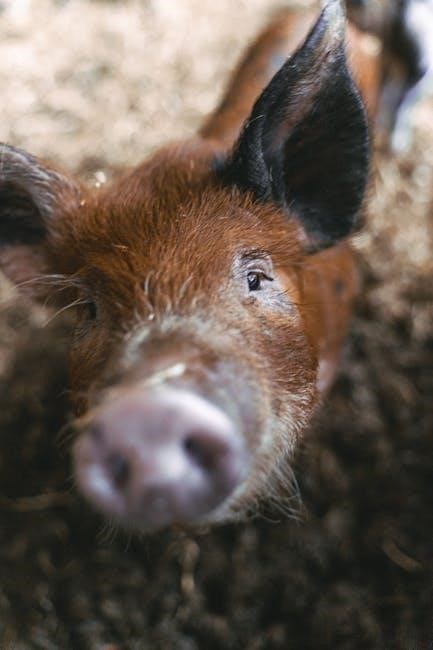
Beyond instinct, animals demonstrate individual personalities, exhibiting consistent behavioral differences. These traits, ranging from boldness to shyness, influence social interactions, foraging strategies, and responses to threats. Recent research reveals complex cognitive abilities and emotional ranges in various species.
Personality isn’t simply ‘human projection’; it’s measurable through behavioral observations and experimental designs. Factors like genetics, early experiences, and environmental conditions contribute to personality development. Animal Crossing pins on Google Maps, while playful, highlight public interest in animal locations and behaviors.
Recognizing individual personalities is vital for animal welfare and conservation. Understanding how animals respond to different stimuli allows for tailored management strategies. Studying these traits provides deeper insights into animal cognition and the evolution of behavior, enriching our understanding of the animal kingdom.
Animal Detection Technologies
Advancements in technology are revolutionizing animal monitoring and conservation. From camera traps and acoustic sensors to GPS tracking and drone surveillance, these tools provide valuable data on animal distribution, movement patterns, and behavior. Google Maps integration, potentially with Animal Crossing pins, could enhance public awareness of wildlife locations.
Sophisticated algorithms and artificial intelligence are employed to analyze vast datasets collected from these technologies. This enables automated species identification, population estimation, and early warning systems for poaching or habitat loss. Animal detection features, linked to Google Home admin permissions, offer real-time alerts.
Furthermore, 3D animal models accessible via Google search provide immersive educational experiences. These technologies are crucial for effective conservation strategies, enabling researchers and conservationists to make informed decisions and protect vulnerable species.
Animal Conservation
Protecting biodiversity is paramount, facing threats like habitat destruction and poaching. Innovative solutions, including Google Maps integration for wildlife awareness, are vital for species survival.
Threats to Animal Species
Numerous factors endanger animal populations globally, demanding urgent conservation action. Habitat destruction, driven by deforestation and urbanization, remains a primary threat, fragmenting ecosystems and reducing available resources. Climate change exacerbates these issues, altering habitats and disrupting breeding patterns. Poaching and illegal wildlife trade decimate vulnerable species, fueled by demand for products like ivory and traditional medicines.
Pollution, including plastic waste and chemical runoff, contaminates ecosystems and harms wildlife. Agricultural practices, such as pesticide use, also pose significant risks. Human-wildlife conflict, arising from encroachment on animal habitats, leads to retaliatory killings. The interconnectedness of these threats necessitates a holistic conservation approach. Addressing these challenges requires international cooperation, sustainable practices, and increased public awareness to safeguard the future of animal biodiversity.
Google Maps and Animal Crossing Pins
A compelling suggestion has emerged for integrating Google Maps with features reminiscent of the popular game, Animal Crossing. The idea centers around implementing “animal crossing pins” – user-submitted markers indicating wildlife sightings, particularly deer and other animals prone to vehicle collisions. This crowdsourced data could significantly enhance road safety by alerting drivers to potential animal crossings.
Such a feature would leverage the power of community reporting, similar to how users currently flag speed traps. It could also contribute to wildlife conservation efforts by providing valuable data on animal distribution and movement patterns. Integrating this with Google Maps would offer a practical solution to reduce animal-vehicle incidents and promote coexistence. The concept highlights the potential for gamification and citizen science to address real-world challenges, fostering a greater awareness of local ecosystems.
Importance of Biodiversity
Biodiversity, the variety of life on Earth, is critically important for the health of our planet and the well-being of humanity. A rich tapestry of species ensures ecosystem stability, providing essential services like pollination, clean water, and climate regulation. The continuous discovery of new species underscores how much remains unknown about the animal kingdom, highlighting the urgency of conservation.
Loss of biodiversity, driven by habitat destruction, pollution, and climate change, threatens these vital services. Each species plays a unique role, and its extinction can trigger cascading effects throughout the ecosystem. Protecting biodiversity isn’t merely an environmental concern; it’s fundamental to food security, human health, and economic prosperity. Understanding and valuing the intricate web of life is crucial for sustainable development and ensuring a healthy future for generations to come.