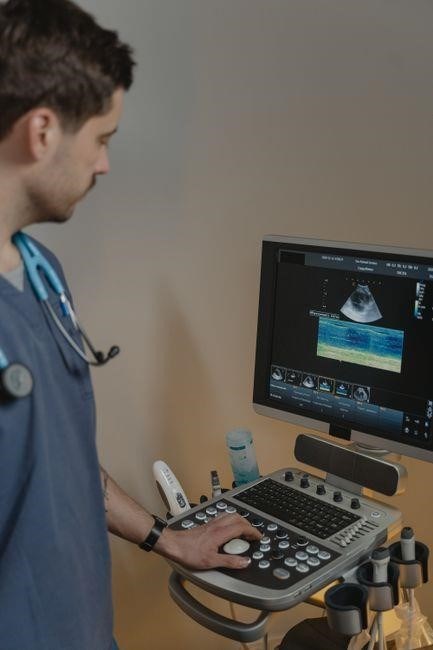
US‑guided thyroid biopsy is a minimally invasive technique that uses ultrasound to target nodules for tissue sampling. Accurate imaging enhances diagnostic yield, reduces complications, and informs management decisions in endocrine practice. It also improves patient comfort and workflow efficiency. Seamless.
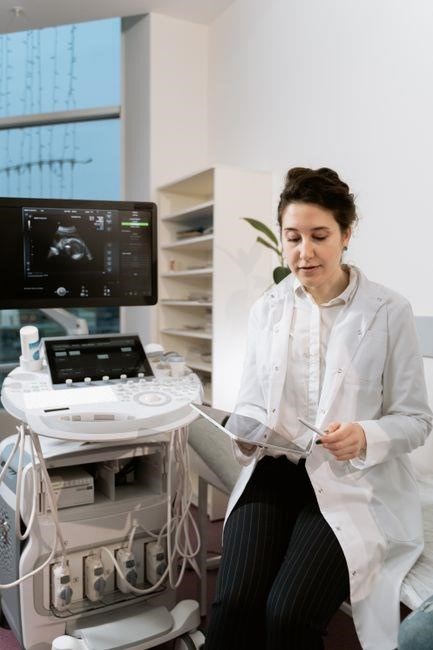
Background on Thyroid Biopsy
Thyroid biopsy evaluates nodules for malignancy. It involves needle aspiration guided by imaging. The procedure informs treatment plans, distinguishing benign from malignant lesions. It is essential for accurate diagnosis and patient counseling. This minimally invasive approach reduces risk and better outcomes.
Indications
Ultrasound‑guided fine‑needle aspiration (FNA) of the thyroid is indicated for nodules that raise suspicion for malignancy or warrant definitive diagnosis. Common clinical triggers include: a nodule >1 cm with suspicious sonographic features (solid composition, irregular margins, microcalcifications, taller‑than‑wide shape, or marked hypoechogenicity); rapid growth or increasing size; new onset of compressive symptoms such as dysphagia, hoarseness, or dyspnea; or a history of radiation exposure to the neck. Additionally, FNA is recommended when a nodule is associated with abnormal thyroid function tests, elevated thyroglobulin levels, or when a patient’s family history suggests a hereditary thyroid cancer syndrome. In patients with prior thyroid surgery or radiation, FNA helps distinguish recurrent disease from benign scar tissue. For nodules <1 cm, FNA is considered when sonographic features are highly suspicious or when the patient has a strong personal or family history of thyroid cancer. The procedure also serves as a surveillance tool for nodules that have been monitored for stability; any change in size or ultrasound characteristics warrants repeat sampling. By providing cytologic material, FNA guides therapeutic decisions—ranging from active surveillance to lobectomy or total thyroidectomy—while minimizing unnecessary surgery. The decision to perform US‑guided FNA should balance the risks of the biopsy against the potential benefit of obtaining a definitive diagnosis, ensuring that patients receive personalized, evidence‑based care.
Guidelines from the American Thyroid Association endorse US‑guided FNA as the standard for thyroid nodules. The procedure uses real‑time ultrasound for precise needle placement, typically with a 22‑ or 23‑gauge needle. Cytology is reviewed by a thyroid‑trained pathologist using the Bethesda System, which stratifies risk and guides management. The biopsy usually takes 10–20 minutes, with minimal discomfort and no anesthesia. Patients can resume normal activities the same day, and complications are rare. The procedure’s high diagnostic yield and low complication profile make it indispensable in modern endocrine practice.
Procedure Overview
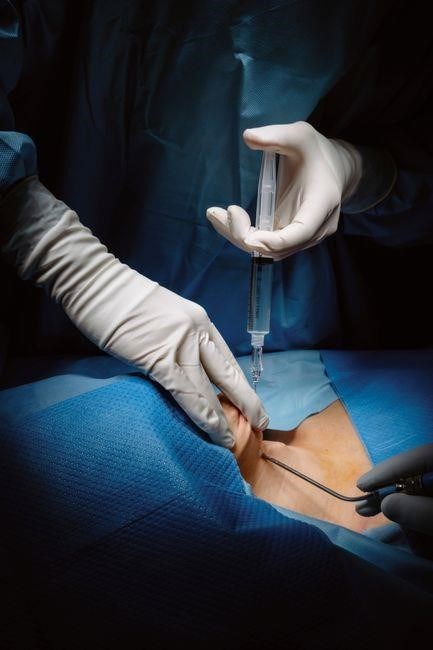
US‑guided fine‑needle aspiration of the thyroid is performed in a sterile, outpatient setting. The patient lies supine with the neck extended, and a high‑frequency linear transducer is placed over the thyroid to identify the nodule’s size, composition, vascularity, and relationship to surrounding structures. After local anesthesia with lidocaine, a 22‑ or 23‑gauge needle is advanced under real‑time ultrasound guidance into the target nodule. Multiple passes (typical 2–3) are obtained to ensure adequate cellular material. The aspirate is expressed onto glass slides and into liquid fixative for cytopathologic evaluation. The procedure is usually completed within 10–15 minutes, and patients can resume normal activities immediately. Complications are uncommon, with minor bleeding or transient pain being the most frequent. The cytology report, classified by the Bethesda System, informs subsequent management decisions such as observation, repeat FNA, or surgical intervention. Accurate documentation of needle gauge, number of passes, and cytology findings is essential for coding and reimbursement under CPT codes 10021, 10024, or 10025. The procedure’s safety profile, combined with its high diagnostic accuracy, makes it the preferred modality for evaluating indeterminate nodules and guiding patient‑centered care. Clinicians should document the exact needle gauge, number of passes, and any immediate adverse events to support accurate coding. After the biopsy, the patient is observed for a short period to monitor for hematoma or airway compromise before discharge. Ensure compliance.OK This detailed procedural description serves as a comprehensive reference for clinicians, coders, and payers, ensuring clarity in documentation, accurate coding, and optimal reimbursement. By adhering to these guidelines, healthcare providers can streamline workflow, reduce claim denials, and improve patient outcomes through precise, evidence‑based care. END
CPT Coding Basics
CPT coding for US‑guided thyroid biopsy uses specific codes that reflect needle gauge and number of passes. Accurate coding requires documenting the procedure details, ensuring compliance with payer guidelines, and selecting the appropriate code (10021, 10024, 10025) to secure reimbursement. Proper coding requires specifying needle gauge and pass count
CPT Code Structure
In the Current Procedural Terminology (CPT) system, codes are organized into a three‑digit base followed by optional modifiers that convey additional technical detail. For ultrasound‑guided thyroid biopsy, the base code 10021 represents a fine‑needle aspiration (FNA) of a single nodule or lesion, while 10024 and 10025 denote multiple needle passes or larger gauge needles. The CPT system uses a hierarchical structure: the first digit indicates the general category (e.g., 1xx for diagnostic procedures), the second digit specifies the type of procedure (e.g., 00 for needle aspiration), and the third digit denotes the specific technique or equipment used. Modifiers such as –50 (bilateral procedure) or –51 (multiple procedures) can be appended to the base code to reflect the clinical scenario. Accurate coding requires a clear understanding of this hierarchy and the specific procedural elements performed, ensuring that the selected code fully captures the complexity of the ultrasound‑guided biopsy. Proper documentation of needle gauge, number of passes, and any adjunctive techniques is essential for compliance and reimbursement. The CPT coding framework is designed to provide a standardized, concise representation of medical services, facilitating billing, data collection, and quality reporting across the healthcare system. CTP codes are grouped into sections: 10001‑10999 for diagnostic procedures, 11000‑15999 for surgical procedures, etc. Within the diagnostic section, codes 10021, 10024, 10025 fall under the subcategory of needle aspiration of solid or cystic lesions. The coding process also involves reviewing the CPT manual for any updates or revisions, as codes can be retired or replaced. For instance, 10021 is the standard code for a single pass FNA, whereas 10024 is used when two or more passes are performed with a 22‑gauge needle, and 10025 applies to a 25‑gauge needle or when a larger gauge is used. The choice of code must reflect the actual needle size and number of passes documented in the operative report. Additionally, the CPT manual provides guidance on when to use the “–50” modifier for bilateral procedures, which is common in thyroid nodules that are present on both lobes. Failure to apply the correct modifier can result in claim denial or reduced payment. Therefore, a thorough understanding of the CPT code structure, including base codes, modifiers, and documentation requirements, is essential for accurate billing and optimal reimbursement. Additional documentation should include the exact needle gauge, number of passes, and any use of adjunctive techniques such as rapid on‑siteevaluation to support the chosen CPT code.
Common Biopsy Codes
When billing for ultrasound‑guided thyroid sampling, the most frequently used CPT codes are 10021, 10024, and 10025. Code 10021 covers a single fine‑needle aspiration (FNA) of a nodule or cystic lesion, typically performed with a 22‑gauge needle. Code 10024 is used when two or more passes are performed with a 22‑gauge needle, or when a 25‑gauge needle is employed for a single pass. Code 10025 applies to a single pass with a 25‑gauge needle or when a larger gauge needle is used, such as a 19‑gauge for core biopsy. Each code reflects the technical complexity and needle size, and the choice should match the documented procedure. In addition to the base code, modifiers such as –50 (bilateral procedure) or –51 (multiple procedures) may be appended to indicate additional technical aspects. Accurate selection of the base code and appropriate modifiers is essential for correct reimbursement and to avoid claim denial. Documentation must include needle gauge, number of passes, and any adjunctive techniques used, such as rapid on‑site evaluation or core sampling, to support the chosen code. Proper coding also facilitates accurate data collection for quality reporting and research purposes. The CPT manual provides detailed guidance on when each code applies, and staying current with updates ensures compliance with payer requirements and optimal reimbursement for the procedure. Accurate coding not only affects reimbursement but also impacts data analytics, clinical quality metrics, and compliance audits. Clinicians and coders should collaborate closely to ensure that the chosen CPT code accurately reflects the procedural details and meets payer documentation requirements. Additionally, when a biopsy is performed under general anesthesia or in a surgical setting, the code 10021 may be combined with a surgical procedure code such as 60120 (thyroid lobectomy) for comprehensive billing and maintain audit readiness and compliance.
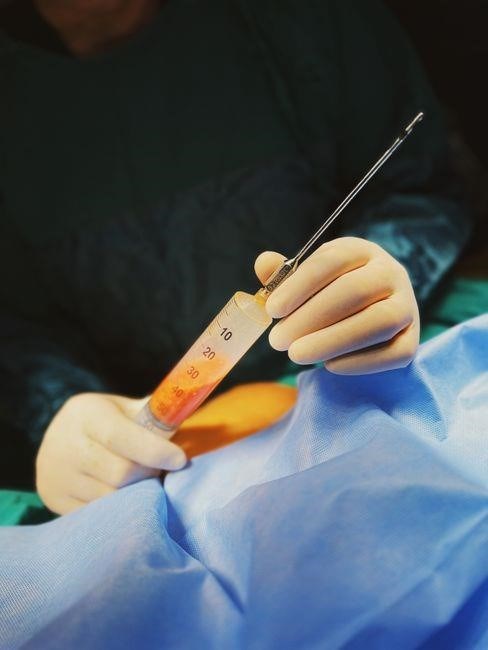
US‑Guided Thyroid Biopsy CPT Code
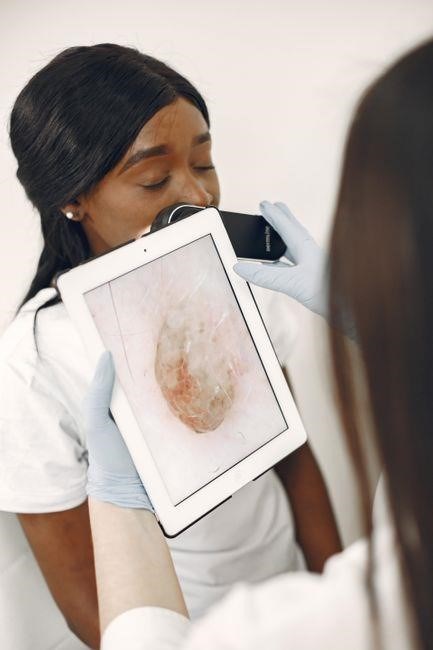
US‑guided thyroid biopsy CPT coding hinges on needle gauge, pass number, and procedural nuances. Code 10021 covers a single 22‑gauge FNA, 10024 applies to two or more 22‑gauge passes or a single 25‑gauge, while 10025 denotes a single 25‑gauge or larger core biopsy. ensures proper reimbursement and compliance.?
Code Options (10021, 10024, 10025)
Choosing the correct CPT code hinges on needle gauge, the number of passes, and whether a core sample is obtained. For a single 22‑gauge fine‑needle aspiration, code 10021 applies. If two or more 22‑gauge passes are performed, 10024 is the proper code. When a 25‑gauge or larger core biopsy is taken, 10025 supersedes the other codes. Documentation must record the needle size, number of passes, and ultrasound guidance, as well as the nodule size and cytology results. Accurate coding reduces the risk of denials and ensures compliance with payer policies. Clinicians typically select the highest code for the session, such as 10025 for a single 25‑gauge core biopsy, or 10024 for multiple 22‑gauge passes. If only a single 22‑gauge FNA is performed, 10021 is reported. This streamlined approach simplifies billing and aligns with the CPT hierarchy. Proper coding also facilitates accurate quality metrics and supports clinical research initiatives.
Choosing the Right Code
When selecting the CPT code for an ultrasound‑guided thyroid biopsy, clinicians must evaluate needle gauge, number of passes, and whether a core sample is obtained. The 10021 code covers a single 22‑gauge fine‑needle aspiration (FNA) with ultrasound guidance. If the provider performs two or more 22‑gauge passes, the 10024 code is appropriate. For core biopsies using a 25‑gauge or larger needle, the 10025 code supersedes the others. Accurate documentation of needle size, number of passes, and ultrasound guidance is essential for correct coding. Additionally, the nodule size, location, and cytology results should be recorded to support the use of higher codes, especially when multiple passes or core samples are performed. In practice, many clinicians default to the highest applicable code for the session, such as 10025 for a single core biopsy or 10024 for multiple FNA passes. If only a single 22‑gauge FNA is performed, 10021 is reported. This approach simplifies billing, reduces denials, and aligns with CPT hierarchy. Proper code selection also facilitates accurate quality metrics and supports clinical research initiatives by ensuring consistent data capture across practices. When coding, it is also important to consider the presence of any adjunctive procedures such as needle core sampling or rapid on‑site evaluation (ROSE). If ROSE is performed, the provider may need to report an additional code for the cytopathology review, which can affect the overall reimbursement. Furthermore, certain payers require that the number of passes be documented in the operative report, and failure to do so may result in a denial. Therefore, clinicians should adopt a standardized documentation template that captures all required elements, including patient identifiers, nodule characteristics, needle specifications, pass count, and final pathology. By doing so, the billing process becomes more efficient, and the risk of audit is minimized. Ultimately, choosing the right code is not merely a billing exercise; it reflects the quality of care delivered and ensures that the provider receives appropriate compensation for the expertise involved.

Billing & Reimbursement
Reimbursement hinges on correct CPT selection and thorough documentation. Payers often require proof of ultrasound guidance, needle size, and pass count. Denials arise from missing details or using an inapplicable code. Accurate coding ensures timely payment and audit compliance. Follow CMS rules for best reimbursement
Payer Coverage & Denials
Coverage policies vary across Medicare, Medicaid, and private insurers. Medicare Part B typically covers US‑guided fine‑needle aspiration (FNA) of thyroid nodules when performed by a qualified practitioner and documented with ultrasound guidance. The CPT code must be 10021, 10024, or 10025, depending on needle size and pass count. Payers require the procedure to be medically necessary, supported by imaging, and performed within a 30‑day window of the imaging study. Documentation must include the nodule’s size, location, and the number of passes. Failure to meet these criteria often triggers denial. Common denial reasons include missing ultrasound report, incorrect code selection, lack of clinical indication, or insufficient technical detail. Appeals should reference the CPT code manual, the American Association of Clinical Endocrinologists guidelines, and the specific payer’s policy. Timely resubmission with corrected documentation can reverse denial and secure payment. Bundled services may affect reimbursement; combining FNA with a core needle biopsy may require separate coding or may be considered a single service. Understanding each payer’s policy on bundled coding is essential to avoid underpayment. Out‑of‑network providers may face higher denial rates; verifying network status and pre‑authorization can mitigate risk. By adhering to coding guidelines, maintaining meticulous records, and proactively addressing denial triggers, clinicians can optimize reimbursement for US‑guided thyroid biopsies. This approach ensures compliance, maximizes revenue, and improves patient satisfaction for better clinical outcomes.
Documentation Requirements
Accurate documentation is essential for US‑guided thyroid biopsy coding. Record the nodule’s size, location, and ultrasound findings. Note needle gauge, number of passes, and any complications. Include the patient’s clinical history and the provider’s specialty. This ensures compliance and proper reimbursement.
Clinical & Technical Notes

For US‑guided thyroid biopsy, the clinical note must record the patient’s symptoms, risk factors, and reason for sampling (e.g., suspicious nodule). Include nodule size, composition, and ultrasound features such as irregular margins or microcalcifications. Document provider specialty and credentials to meet payer requirements. Technical notes should state the ultrasound machine, probe frequency, needle gauge, and number of passes. Record the exact puncture site (e.g., right lobe, isthmus) and note any immediate complications such as bleeding or pain. Link the final pathology result to the CPT code to demonstrate medical necessity. Also note any patient comorbidities that could affect procedure risk, such as bleeding disorders or thyroiditis.
Pre‑procedure, document patient positioning, skin prep, and local anesthesia. Post‑procedure, record instructions and monitor for delayed bleeding or infection. Note ancillary services (e.g., cytopathology review, molecular testing) and time spent on imaging. Include the number of needle passes and whether a core or fine‑needle aspiration was obtained. Document any complications and the management steps taken. Consistent records facilitate audit readiness and support payer compliance. Record the duration of the procedure and the number of needle passes for each nodule.
Documentation should reference the specific CPT code used (e.g., 10021, 10024, or 10025) and justify its selection based on the number of needle passes and the type of sample obtained. Explicit linkage between clinical findings, technical details, and coding choice is critical for audit trails and payer scrutiny. Maintaining a standardized template promotes consistency across providers and streamlines workflow. Include a brief summary of pathology findings to reinforce the clinical decision